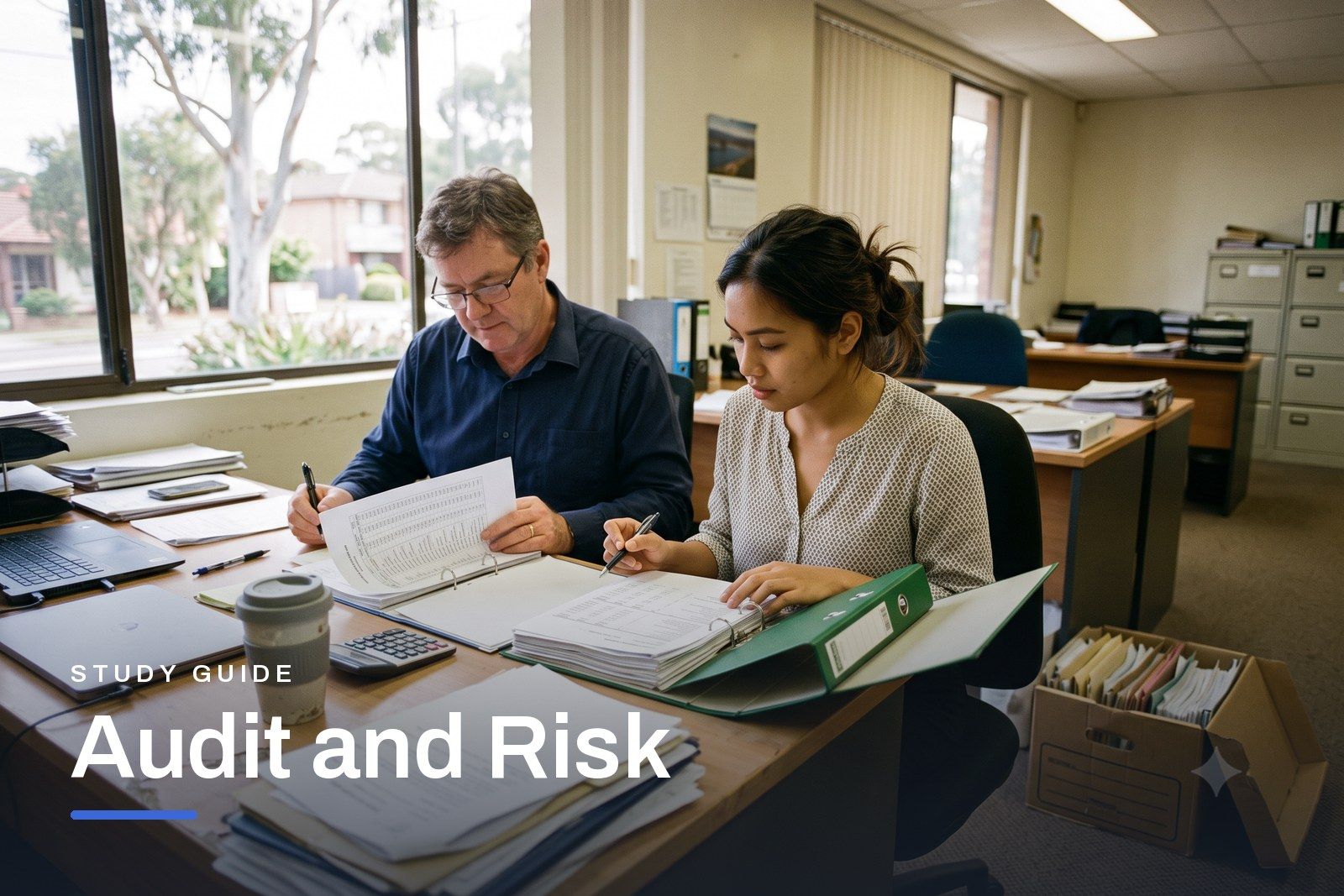
Audit and Risk study guide for the CA Program
A plain-English guide to Audit and Risk: how the audit fits together, where the marks sit, and how to prepare for the submission, workshop and exam.
A plain-English guide to Audit and Risk: how the audit fits together, where the marks sit, and how to prepare for the submission, workshop and exam.
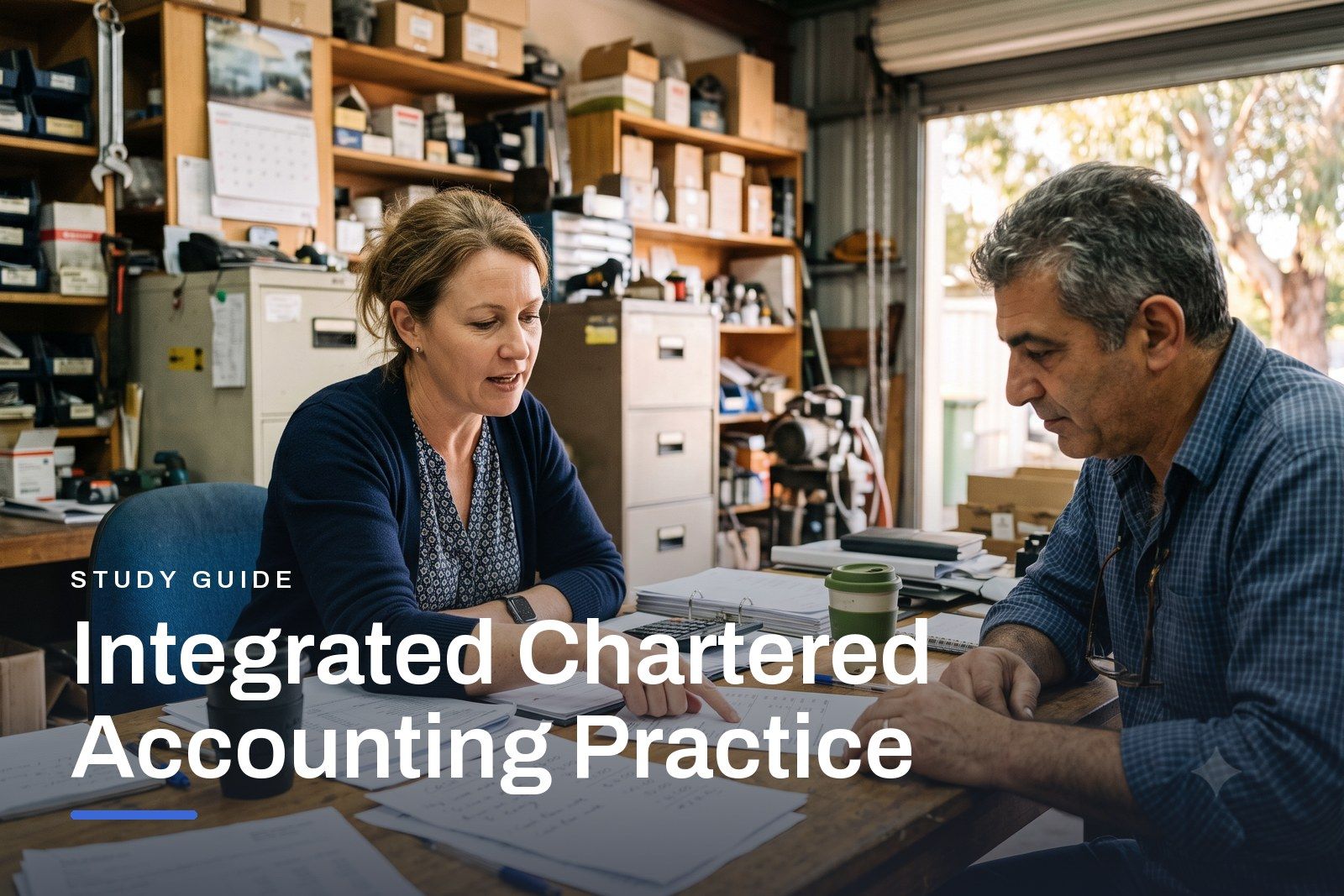
A plain-English guide to Integrated Chartered Accounting Practice: how the subject pulls everything together, and how to think in the integrated exam.
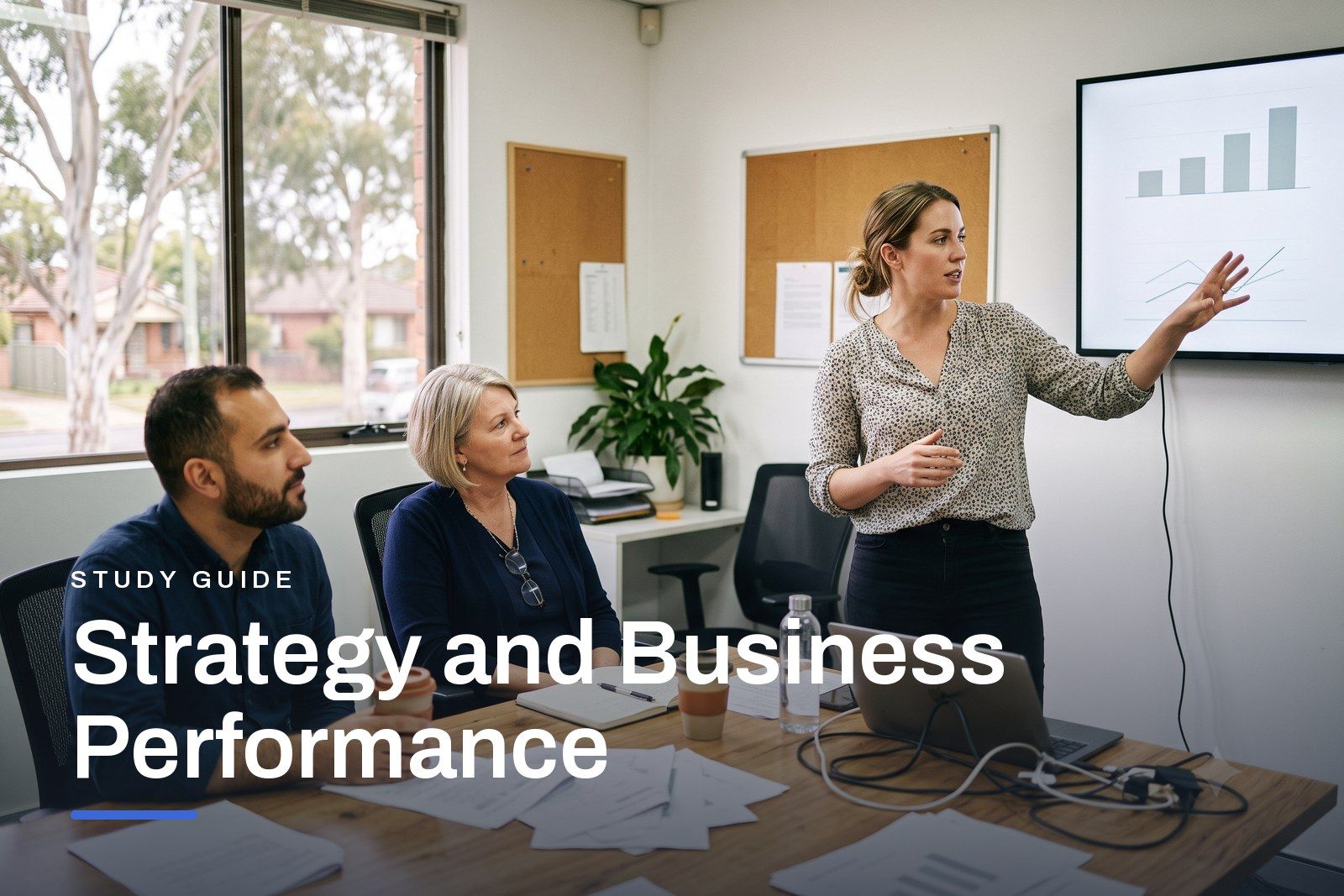
A plain-English guide to Strategy and Business Performance: how the frameworks earn marks, and how to read business performance from the numbers.
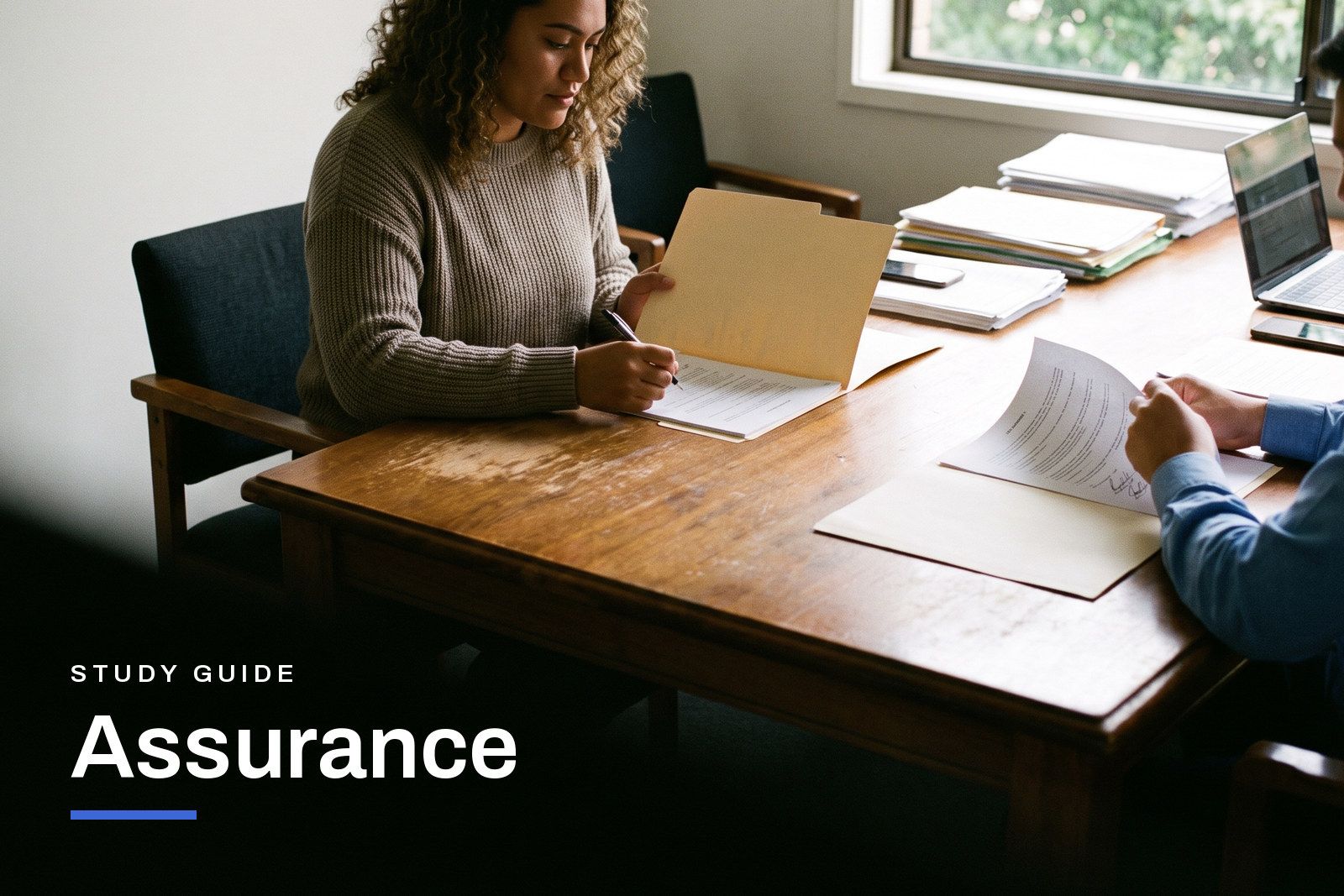
A plain-English guide to the Assurance elective: the five engagement types beyond the audit, the standards that govern them, and how it is assessed.
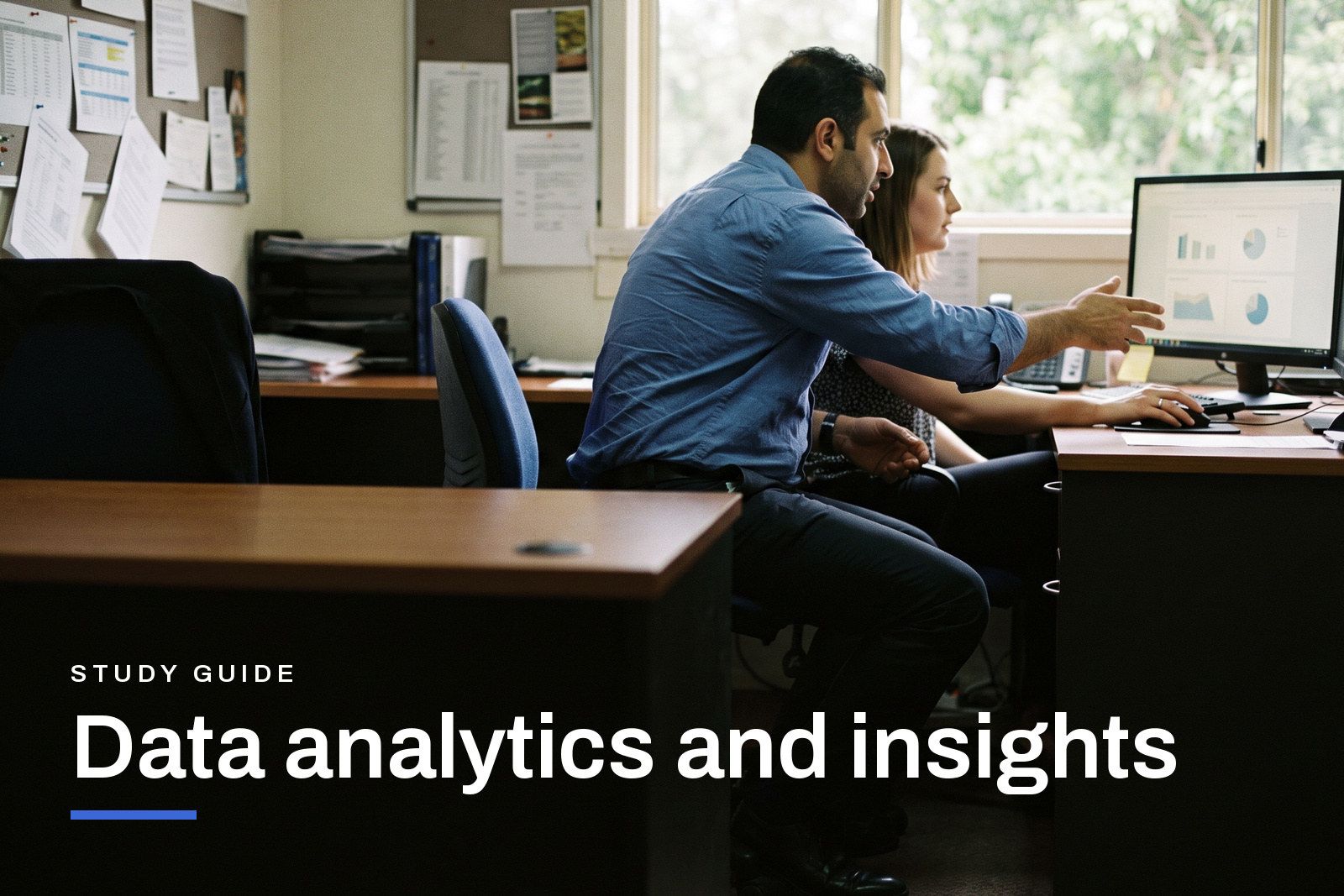
A plain-English guide to the Data Analytics and Insights elective: choosing the right analytics type, preparing the data, and why the insight carries the marks.
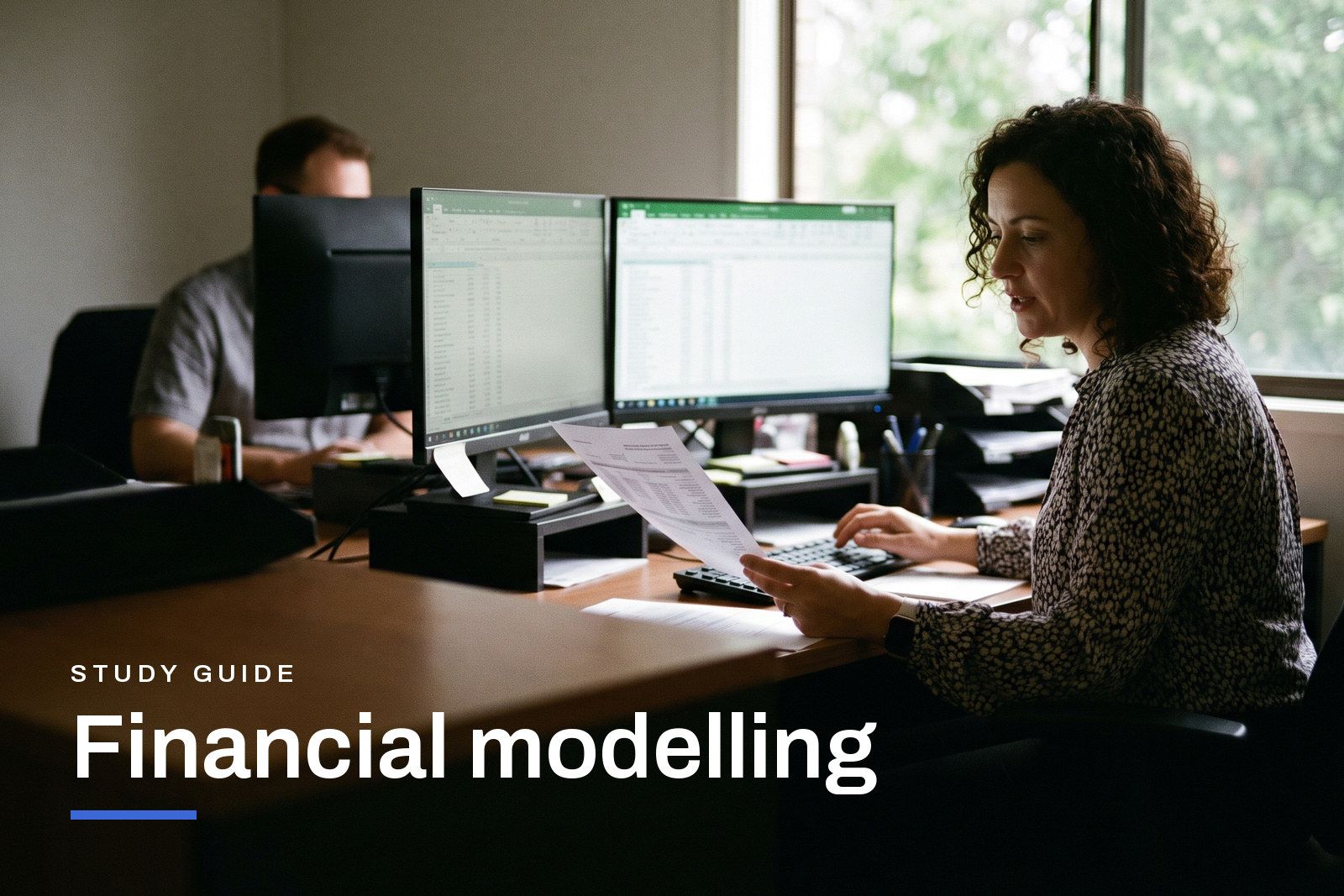
A plain-English guide to the Financial Modelling elective: the structure good models share, how reviews work, and what it means to be marked on a build.
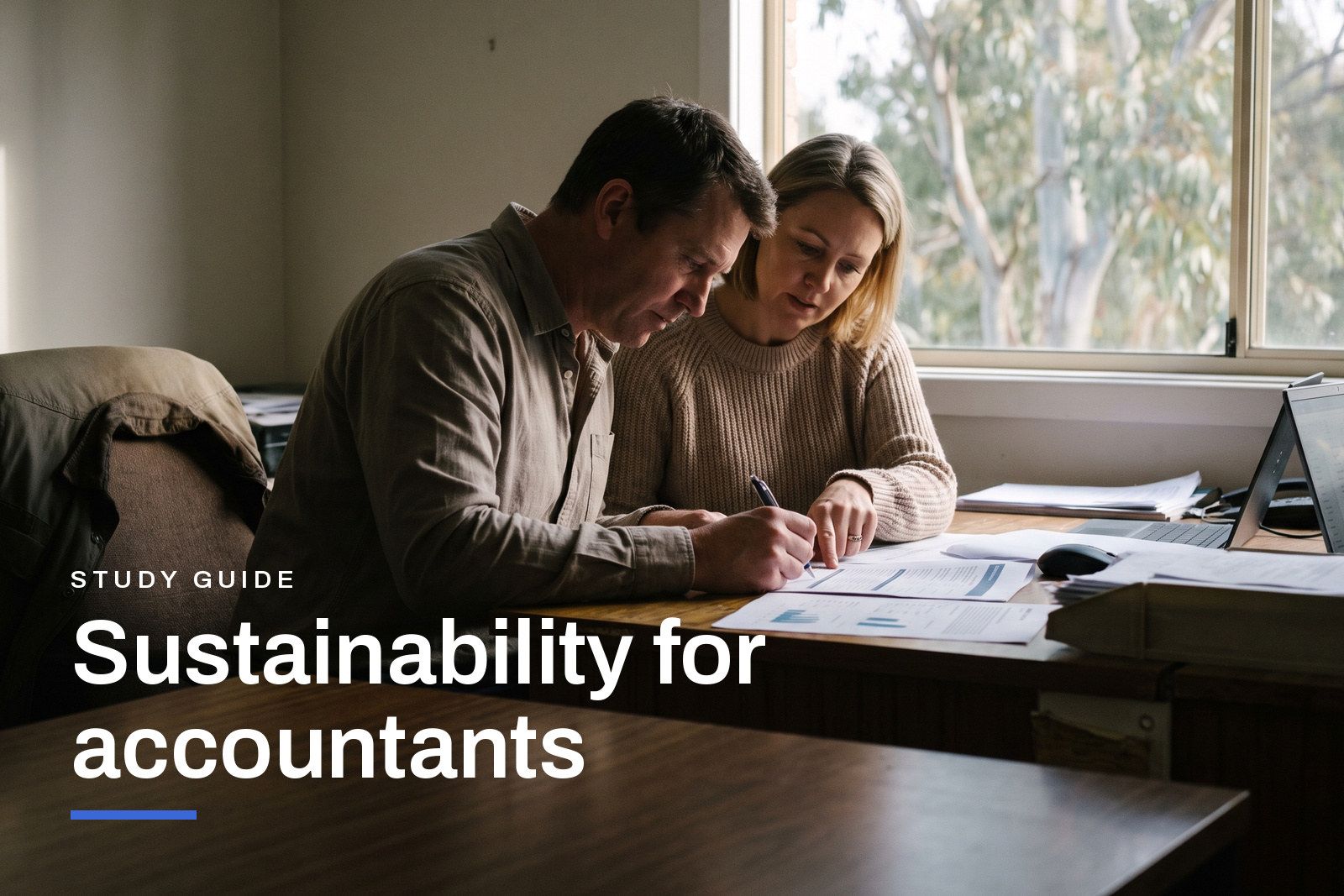
A plain-English guide to the Sustainability for Accountants elective: the IFRS S2 pillars, which framework to reach for, and what is mandatory in Australia.
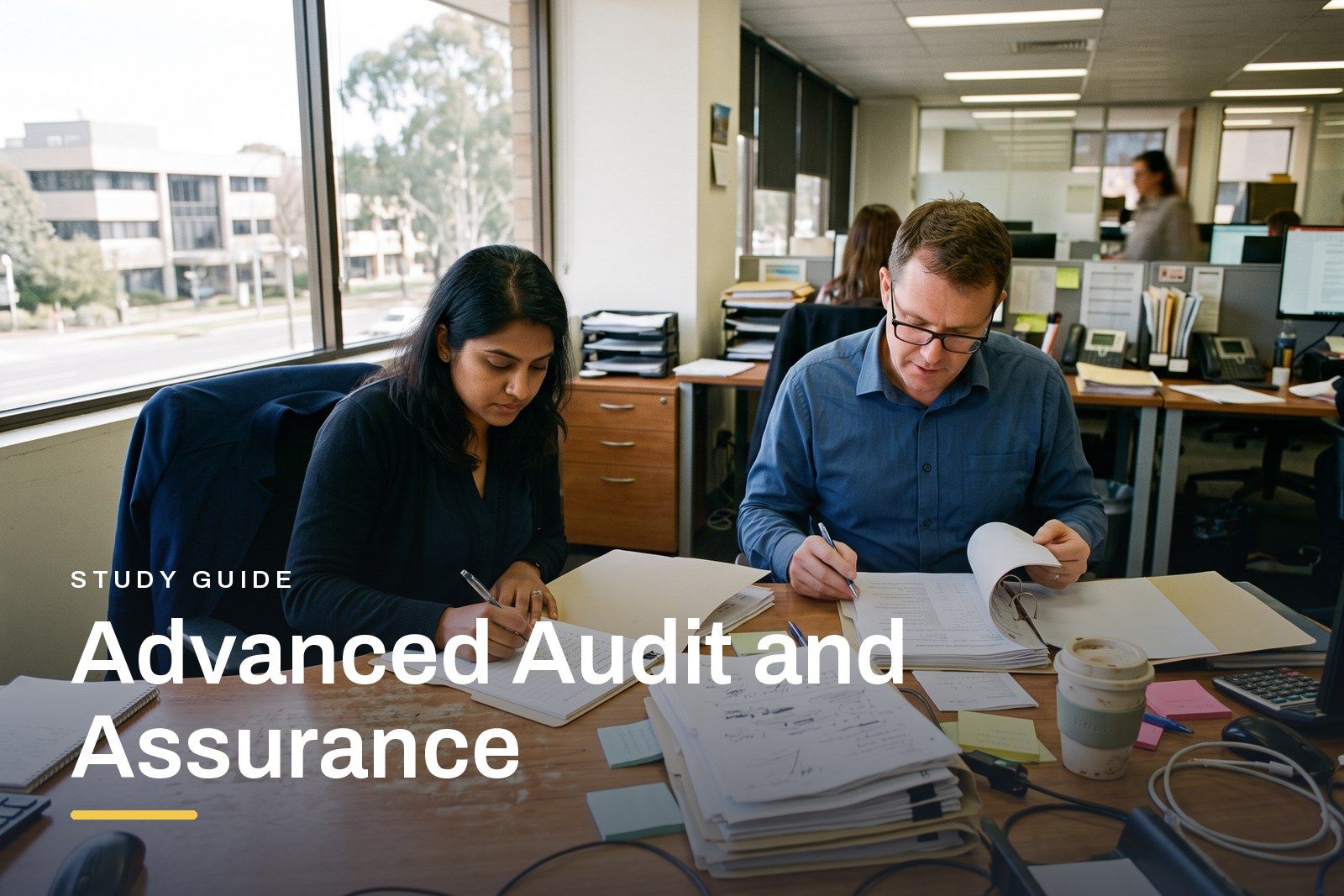
A plain-English guide to Advanced Audit and Assurance: the audit process in order, how the opinion is decided, and the multiple-choice traps.
A plain-English guide to Australia Taxation Advanced: why breadth is the challenge, how companies, trusts and super are taxed, and dividend imputation.
A plain-English guide to Australia Taxation: how tax payable is built up, what is assessable and what is deductible, and the CGT and entity rules.
A plain-English guide to the Advanced Financial Reporting elective: hedge accounting, the equity method, and how the classification calls decide the marks.
A plain-English guide to the Advanced Tax elective: the two chapters, how the advice frame works, and how to prepare for a submission with no exam.
A plain-English guide to the Tax subject: where the marks sit, the core methods, and how to prepare for the written submission and open-book exam.
A plain-English guide to Contemporary Business Issues: the themes that carry the exam, turning easy reading into exact points, and the multiple-choice traps.

A plain-English guide to Digital Finance: how data turns into decisions, the technologies and their risks, and how to prepare for a brand-new subject.
A plain-English guide to Ethics and Governance: why the governance half decides your result, and how to answer ethics questions with a repeatable method.

A plain-English guide to Ethics and Sustainability: the one framework that runs the subject, sustainability reporting, and the group assessment.

A plain-English guide to Financial Accounting and Reporting: where the marks sit, the standards that carry the exam, and how to prepare for the submission.
A plain-English guide to Financial Reporting: where the marks sit, how to run consolidation and deferred tax cleanly, and the standards that carry the exam.
A plain-English guide to Financial Risk Management: the risk process, how derivatives pay off, hedge accounting, and the multiple-choice exam.

A plain-English guide to the Global Strategy and Leadership capstone: what the outline weights, and how to work the case from analysis to recommendation.

A plain-English guide to Risk, Technology and AI: how the two written submissions are marked, and how to write a case answer that earns the marks.
A plain-English guide to Strategic Management Accounting: where the marks sit, performance management and budgeting, and the decision-making traps.

What the eight principles are, how the if not, why not basis actually works, and why it is not the same thing as the United Kingdom's comply or explain.
Classify the investment before you consolidate anything, then work the sequence. What control means, where goodwill comes from, and the two ways to measure NCI.
A plain-English guide to deferred tax: what a tax base is, how to tell an asset from a liability, and the direction test that decides most of the marks.